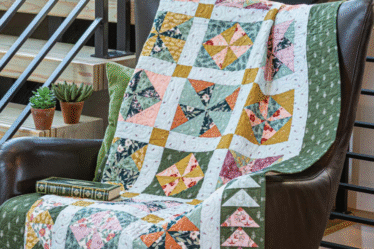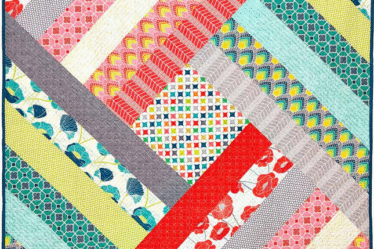
Quilting is a beautiful blend of precision, creativity, and tradition, and few techniques capture this harmony as elegantly as the Folded Corners Block. Whether you are a beginner exploring your first geometric designs or an experienced quilter looking to refine your piecing accuracy, this block offers a satisfying and versatile experience. Its clean lines and structured look make it ideal for both modern and classic quilt layouts.
The Folded Corners Block is especially loved for its ability to create dynamic visual movement using simple construction methods. By strategically folding and stitching corners, you can achieve the illusion of diagonal seams without the complexity of traditional triangle piecing. This makes it not only beginner-friendly but also a time-saving technique for larger quilt projects.
In this tutorial, I’ll guide you step-by-step through the process of creating a Folded Corners Block, sharing tips I’ve learned over the years to help you achieve crisp corners and perfect alignment. At the end of this article, you’ll also find a complete PDF pattern to support your quilting journey.
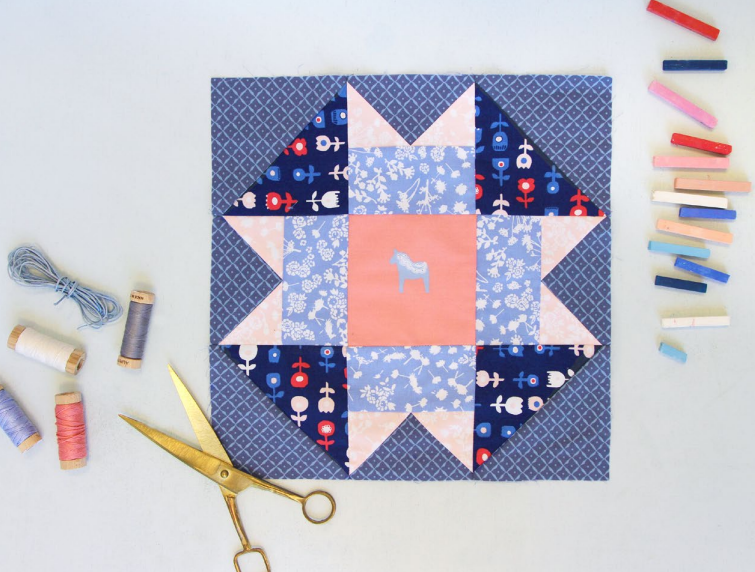
What is a Folded Corners Block?
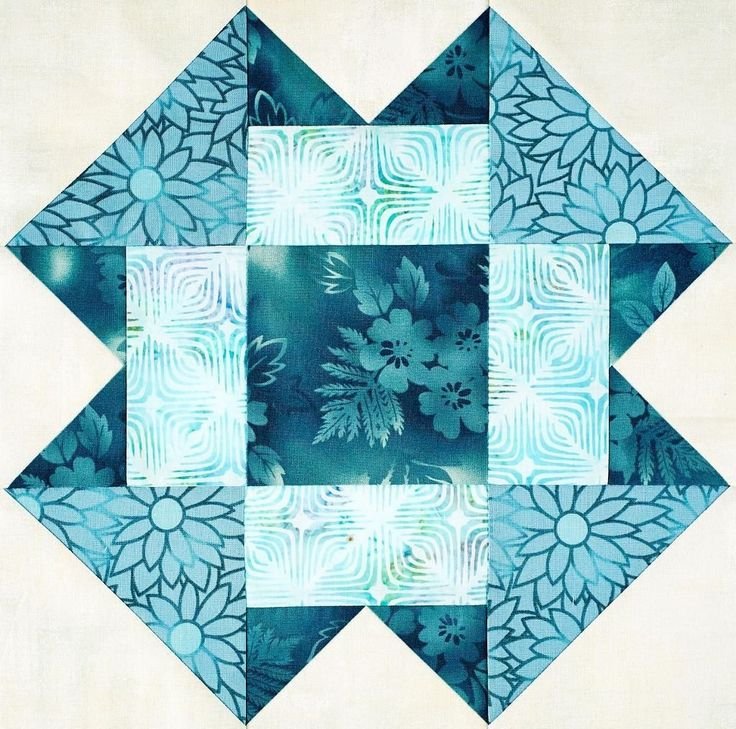
The Folded Corners Block is a quilting technique where smaller squares are sewn onto the corners of a larger square or rectangle, then folded over and stitched down to create a diagonal edge. This method is often referred to as “snowballing” corners and is widely used in quilt blocks like snowball quilts, flying geese variations, and star patterns.
Instead of cutting and sewing triangles, this method allows you to:
- Save time on cutting
- Reduce fabric waste
- Maintain more accurate seams
- Simplify complex designs
The result is a clean, polished block that can be used in countless quilt designs.
Materials Needed
Before you begin, gather the following materials:
- Quilting cotton fabric (at least two contrasting colors)
- Rotary cutter and cutting mat
- Quilting ruler
- Sewing machine
- Thread (matching or neutral)
- Iron and ironing board
- Fabric marking pen or pencil
- Pins or clips
Fabric Requirements
For one basic Folded Corners Block, you will need:
- 1 large square (for the base): 6 ½” x 6 ½”
- 4 small squares (for the corners): 2 ½” x 2 ½”
Tip: You can easily adjust these measurements to create larger or smaller blocks. The key is keeping the corner squares proportionate to the base square.
Step-by-Step Instructions
Step 1: Prepare Your Fabric
Start by cutting your fabric pieces accurately. Precision at this stage is essential for a well-aligned block later on. Press all fabric pieces to remove wrinkles and ensure clean edges.
Step 2: Mark the Corner Squares
Take each of your four smaller squares and draw a diagonal line from one corner to the opposite corner on the wrong side of the fabric. This line will be your stitching guide.
Pro Tip: Use a light fabric marking tool that can be easily removed after sewing.
Step 3: Position the Corner Squares
Place one small square on top of the large base square, right sides together, aligning it with one corner. The drawn diagonal line should run from the outer corner toward the center of the block.
Repeat this for all four corners, positioning one square at a time.
Step 4: Sew Along the Diagonal Line
Sew directly on the marked diagonal line. Take your time to stitch accurately, as this seam will define the final angle of your folded corner.
Step 5: Trim the Excess Fabric
After sewing, trim away the excess fabric approximately ¼ inch from the stitched line. This reduces bulk and allows the corner to fold neatly.
Step 6: Press the Corner Open
Fold the corner triangle outward so that it forms a clean diagonal edge. Press firmly with an iron to set the seam.
Repeat Steps 3 through 6 for each of the remaining corners.
Step 7: Final Pressing
Once all four corners are completed, give the entire block a final press. Your Folded Corners Block should now measure approximately 6 ½” x 6 ½”.
Tips for Perfect Folded Corners
Creating a flawless block comes down to attention to detail. Here are some expert tips:
- Accurate marking: Even slight deviations in your diagonal line can affect alignment.
- Consistent seam allowance: Always maintain a precise ¼” seam.
- Press, don’t iron: Lift and press your iron instead of sliding it to avoid distorting the fabric.
- Chain piecing: If making multiple blocks, sew all corner squares in batches to save time.
- Test block: Always create one sample block before cutting fabric for an entire quilt.
Design Ideas and Variations
One of the most exciting aspects of the Folded Corners Block is its versatility. Here are a few creative ways to use it:
1. Snowball Quilt Layout
Use a consistent background fabric and vary the corner fabrics to create a charming, scattered look across your quilt.
2. Star Quilt Patterns
Combine multiple Folded Corners Blocks to form intricate star designs. This technique is often used in traditional star quilts.
3. Modern Minimalist Quilts
Use high-contrast fabrics (such as black and white) to create bold, geometric patterns.
4. Scrap Quilts
This block is perfect for using leftover fabric scraps, giving each block a unique personality.
Common Mistakes to Avoid
Even simple blocks can present challenges. Watch out for these common issues:
- Corners not aligning: Usually caused by inaccurate marking or sewing off the line.
- Block size shrinking: Seam allowances that are too large can reduce the final size.
- Bulky seams: Not trimming excess fabric properly can create thickness in the corners.
- Twisted fabric: Improper pressing can distort the block shape.
Why Quilters Love This Block
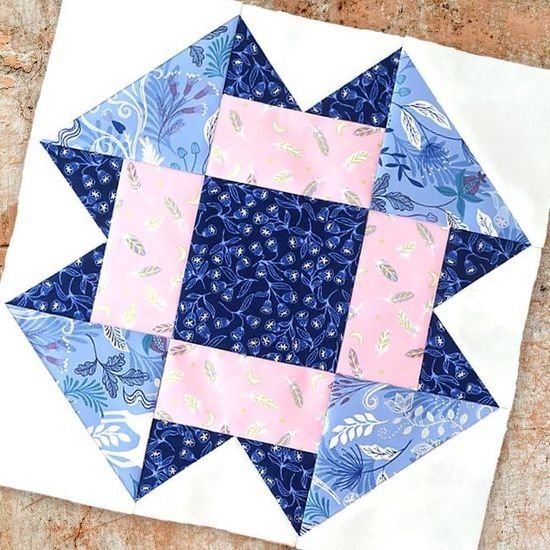
The Folded Corners Block has stood the test of time because it strikes the perfect balance between simplicity and visual impact. It allows quilters to create intricate designs without complicated cutting techniques, making it accessible for beginners while still appealing to advanced makers.
Additionally, it’s a fantastic technique for:
- Speed quilting projects
- Teaching beginners
- Experimenting with color placement
- Creating professional-looking results with minimal effort
The Folded Corners Block Pattern is a must-have skill in any quilter’s toolkit. Its simplicity, versatility, and timeless appeal make it a go-to technique for a wide range of quilting projects. Whether you’re crafting a cozy baby quilt, a striking modern wall hanging, or a traditional heirloom piece, this block offers endless creative possibilities.
The Folded Corners Block Pattern
Take your time with each step, enjoy the process, and don’t be afraid to experiment with colors and layouts. Quilting is as much about the journey as it is about the finished piece.
At the end of this article, you’ll find the complete PDF pattern, which includes detailed diagrams and additional layout ideas to help you bring your Folded Corners Block to life.